Free roof inspections · Written estimates
(214) 919-3726TPO vs. Modified Bitumen for Carrollton Commercial Flat Roofs
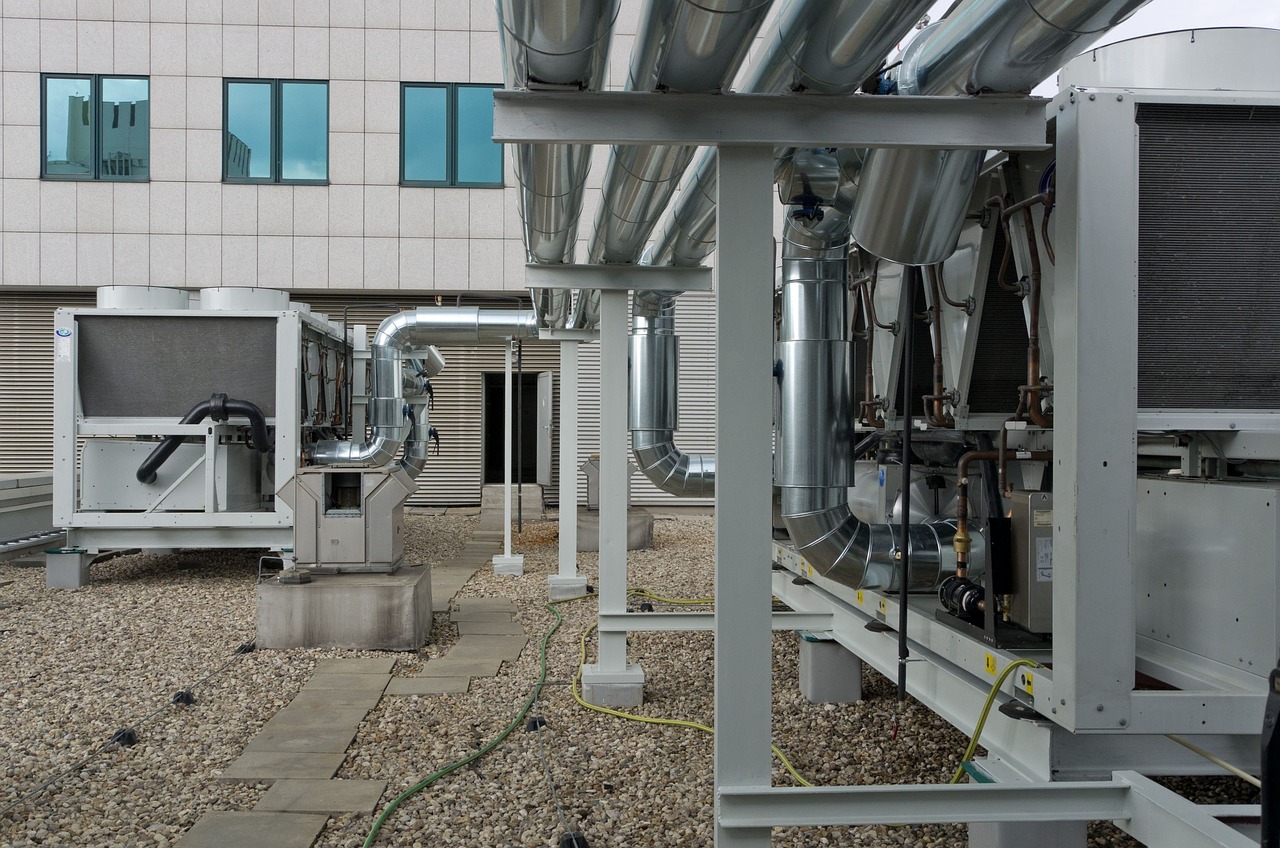
Stand on the roof of a tilt-wall warehouse off I-35E on a July afternoon and the problem is obvious: the surface is flat, the sun is directly overhead, and a row of rooftop units sits in the middle of it all, cycling hard. Most low-slope buildings across Carrollton, from distribution space near the President George Bush Turnpike to retail strips along Belt Line Road, end up choosing between the same two membranes when the roof is due. The TPO vs modified bitumen question is less about which product is better and more about which one suits the building, the drainage and the way the roof will be used over the next couple of decades.
Key Takeaways
- TPO is a single-ply thermoplastic sheet with heat-welded seams, usually installed in white for reflectivity.
- Modified bitumen is asphalt blended with polymers and installed in two or more layers, which gives it built-in redundancy.
- A reflective surface runs much cooler than a dark one; the Department of Energy says a reflective roof could stay more than 50 degrees Fahrenheit cooler under the same conditions.
- Hail performance depends on the whole assembly, including the cover board underneath, not only on the membrane on top.
- Water that sits on any membrane for more than 48 hours after rain is a drainage problem that no product choice fully solves.
- EPDM and restoration coatings are real options, but each fits a narrower set of buildings than TPO or modified bitumen.
TPO Is a Heat-Welded Single-Ply Membrane
TPO, short for thermoplastic polyolefin, is a factory-made sheet that is rolled out across the insulation and fastened mechanically, fully adhered or, less often, ballasted. Its defining trait is the seam: overlapping sheets are fused with hot air so the two pieces become one continuous layer rather than being glued or taped together. That matters, because seams are a common failure point on single-ply roofs.
Most TPO going onto commercial buildings is white. That color is the main reason owners pick it in North Texas, since a bright surface reflects a large share of the sun instead of soaking it into the deck. The trade-off is that a single-ply roof has one waterproofing layer. When a dropped tool, a sharp piece of debris or careless foot traffic punctures it, there is nothing behind that layer to stop the water.
Modified Bitumen Is Layered Asphalt With Polymers
Modified bitumen is an asphalt-based roof sheet reinforced with a fiberglass or polyester mat and blended with polymers that make the asphalt more flexible and durable. The two common chemistries are SBS, which behaves like a rubbery asphalt and is often installed with adhesives or as a self-adhered sheet, and APP, which is typically torch-applied. A finished system usually has a base sheet and a cap sheet, so the roof carries more than one layer of waterproofing.
That layered build is the core appeal. A minor puncture in the cap sheet does not automatically mean water in the building, and the thicker assembly tolerates foot traffic around equipment well. Cap sheets are normally surfaced with mineral granules, which are traditionally dark. The Department of Energy's cool roof guidance notes that modified bitumen can qualify as a cool roof when it has a factory-applied reflective surface or coating.
How the Two Compare on a Carrollton Roof
TPO and modified bitumen differ most on reflectivity, redundancy and how their seams are made.
- Heat and reflectivity: white TPO is reflective out of the box. Standard granulated modified bitumen absorbs more heat unless a reflective cap sheet or coating is specified, which adds cost and a future recoating cycle.
- Hail: neither membrane is hail-proof by itself. A multi-ply modified bitumen system brings more mass, while TPO performance leans heavily on thickness and on a rigid cover board beneath it.
- Ponding water: both tolerate brief standing water. Long-term ponding shortens the life of either, and debris and dirt collecting in those low spots also dulls a white surface.
- Seams: TPO seams are heat-welded and can be tested by probing. Modified bitumen laps are bonded with heat, adhesive or self-adhesive compound, and their quality depends heavily on the installer's technique.
- Foot traffic and rooftop equipment: buildings with frequent service visits to rooftop units often favor the toughness of a multi-ply system or added walkway pads on TPO.
- Repairs: TPO can usually be patched by welding new membrane to clean, sound sheet. Modified bitumen is patched with compatible sheet and mastic, and older roofs of either type become harder to repair as they age.
Neither membrane wins every category. White TPO leads on reflectivity, modified bitumen leads on redundancy, and both depend on drainage and installation quality more than on the product label.
Why Hail Changes the Math in North Texas
FM, the insurer-backed testing organization, classifies roof assemblies for hail resistance, and its top tier is unusually relevant here. According to Carlisle's summary of FM's Very Severe Hail testing, VSH assemblies are tested with 2-inch ice balls fired at 152 to 160 feet per second, and FM's 2025 update to the VSH region covers all or parts of nine states, Texas included. The same summary points to cover boards as a key part of meeting those ratings, which is why the board under the membrane deserves as much attention as the membrane itself.
Where EPDM and Coatings Fit
EPDM is a synthetic rubber single-ply membrane, traditionally black, with seams joined by adhesive or seam tape rather than heat welding. It remains common on older buildings and handles hail and temperature swings reasonably well, but a black surface works against a building in a Texas summer unless it is coated or a white EPDM is used.
Restoration coatings, usually silicone or acrylic, are a different category altogether. They are applied over an existing roof that is aged but still sound, adding a reflective, waterproof surface and buying time before a full replacement. The Department of Energy notes that some roofs can be converted to cool roofs with a coating if the roof type is suitable. A coating does not fix wet insulation, failed seams or a deck that has sagged, so it works only when a survey confirms the roof underneath is still worth keeping.
What Really Drives Lifespan on a Flat Roof
Lifespan on a low-slope roof is decided mostly by drainage, detailing and installation, not the membrane alone. Drainage comes first: an NRCA technical article in Professional Roofing explains that short-term ponding is considered acceptable, but water remaining 48 hours after rain, in conditions conducive to drying, can be detrimental to the roof assembly. The same article notes that the International Building Code sets a minimum design slope of one-quarter inch per foot for most membrane roofs on new construction, while reroofing is exempt where the system provides positive drainage. Tapered insulation, added drains or crickets behind rooftop units are often worth more than an upgrade in membrane.
Details come second. Curbs around rooftop units, pipe penetrations, parapet walls and edge metal are where most flat roofs actually leak, regardless of membrane. Heat matters too: the Department of Energy notes that a cooler roof surface may extend roof service life, which is one more reason reflectivity counts in a city that bakes through long summers.
Maintenance That Suits Each Membrane
Both systems last longer with a simple routine: walk the roof at least twice a year and after major storms, keep drains and scuppers clear, and photograph anything that changes between visits. Walkway pads leading to HVAC units reduce wear on either membrane.
On TPO, the priorities are seams, punctures and surface cleanliness. Look for edges lifting at seam laps, small cuts near rooftop units where service technicians kneel, and dirt buildup that reduces reflectivity. On modified bitumen, watch for granule loss on the cap sheet, blistering, open laps and cracking at flashings. A reflective coating over modified bitumen also needs periodic recoating to keep its performance.
Permits and Code in Carrollton
Permit questions for commercial roof work in Carrollton go to the city's Building Inspection division. According to the City of Carrollton Building Inspection page, permits and inspection requests are handled through the CityServe Portal, and the city has adopted the 2024 I-Codes with local amendments. Because the city sits across Dallas, Denton and Collin counties, owners with property in more than one jurisdiction should confirm which rules apply to each building.
Matching the Membrane to the Building You Actually Own
Start with the roof as it is, not with the product brochure. If drainage is poor, fix the slope and drains first, because that decision affects the life of whatever goes on top. If the building has heavy cooling loads and little foot traffic, a white TPO system with a solid cover board is usually the natural fit. If the roof carries a lot of equipment, sees frequent service visits or sits on an older building where redundancy matters, a multi-ply modified bitumen system with a reflective cap deserves a close look. If the existing membrane is aged but dry and sound, a coating may defer the whole question for several years.
When you would rather have those options laid out for your own building, the commercial roofing team at Carrollton Texas Roofing can survey the roof and price each path separately.
References Used in This Comparison
Energy Saver: Cool Roofs (U.S. Department of Energy)
Still water runs deep: ponding water on membrane roofs (NRCA, Professional Roofing)
Not sure whether your warehouse or retail roof needs a new membrane or just better drainage?
Get Each Flat-Roof Option Priced Side by Side
Whether your building is a candidate for TPO, modified bitumen or a restoration coating, a documented survey shows where the roof stands today. You get photographs, written findings and staged options to take back to your owner or board.

Carrollton Texas Roofing
Roofing contractor serving Carrollton and the surrounding Denton County communities. Replacement, repair, hail damage and commercial low-slope work, handled by insured local crews. Every inspection ends with photographs and a written assessment you keep.
(214) 919-3726Services
Service Areas
Quick Links
© 2026 Carrollton Texas Roofing. All rights reserved.