Free roof inspections · Written estimates
(214) 919-3726Ponding Water on a Flat Roof: Causes and Fixes for Carrollton Buildings
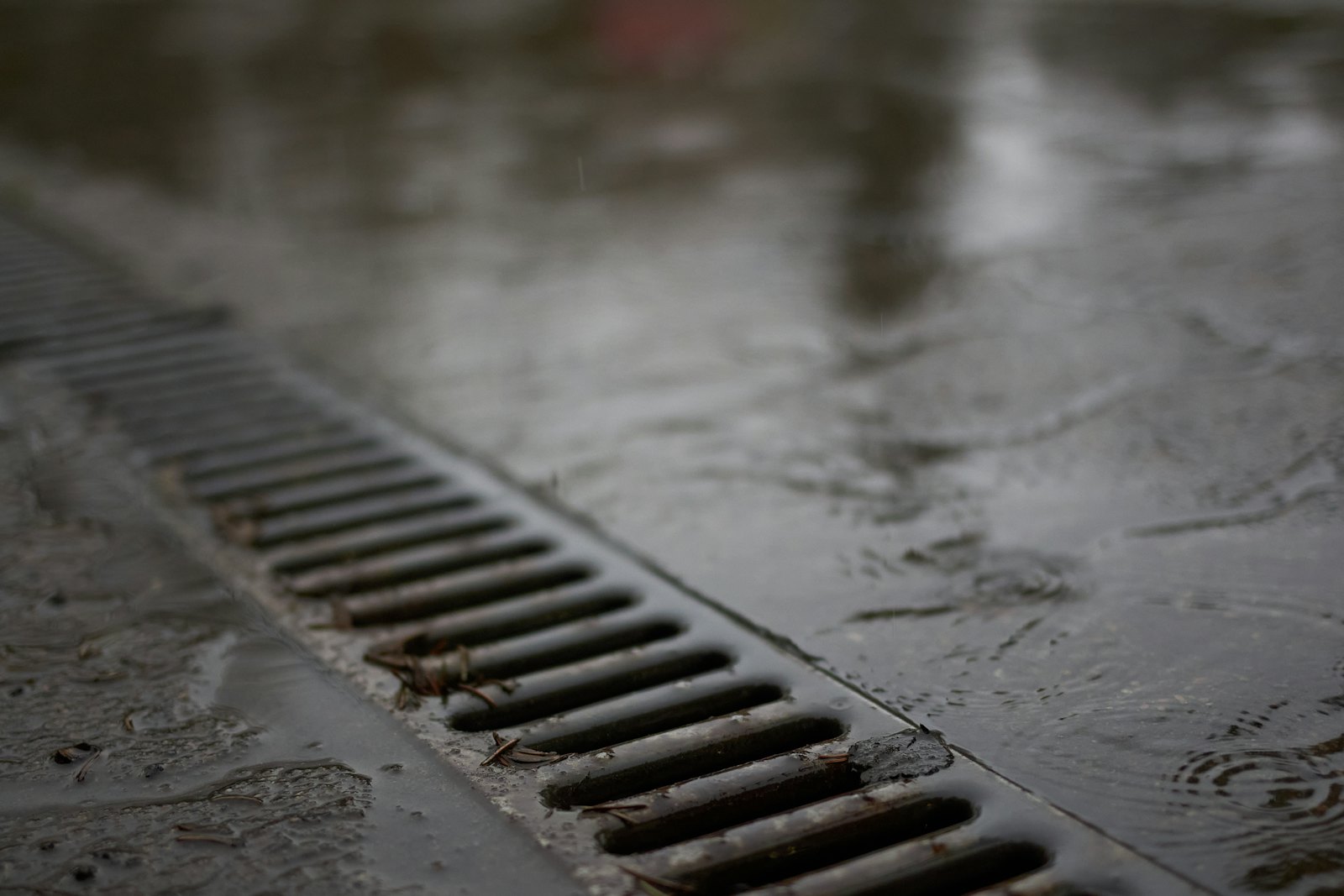
A flat roof that still holds a sheet of water two days after a storm is telling you something about its drainage, its structure or both. Ponding water on a flat roof is one of the most common findings on low-slope commercial buildings, and it rarely corrects itself: the low spot that holds an inch this spring usually holds more by next spring. For owners and managers of warehouses, offices and retail centers in Carrollton, the useful question is not whether a little water after rain is normal. It is how long the water stays, why it collects where it does, and which repair removes it rather than hiding it.
What Counts as Ponding Water on a Flat Roof?
Ponding water is water still sitting on the surface of a completed roof 48 hours after the last rainfall. That definition, which an article in The Construction Specifier attributes to NRCA and single-ply membrane manufacturers, separates ponding from standing water, the shallow puddles that evaporate inside that window.
The 48-hour mark is a rule of thumb, not a laboratory test, and the weather matters. In a Carrollton summer, a roof that still holds water after 48 hours of heat has a genuine low spot; after a damp week in winter, it is worth checking again once the weather clears before drawing conclusions.
Checking your own roof without walking it
The simplest check is photographic. After a heavy rain, note the time, then photograph the roof from a safe vantage point, such as a roof hatch or an adjacent higher roof, at roughly 24 and 48 hours. Dark rings of dried dirt or gathered granules show where water sits repeatedly, even on a dry day. A professional roof inspection can map those areas properly; walking a wet membrane is best left to people trained and equipped for it.
Why Does Water Collect in the Same Spots?
Water ponds wherever the roof surface sits lower than the path to the nearest drain, scupper or roof edge. The right fix depends on why that spot is low. Most ponding on commercial buildings traces back to one of four causes.
Deck deflection
Steel decks on bar joists, common on tilt-wall and pre-engineered buildings, flex between their supports. A deck built with little or no slope can sag at mid-span into a shallow bowl that deepens with time. Added rooftop units and long joist spans make it more likely.
Clogged drains, scuppers and gutters
Drains and scuppers only work if water can reach them and pass through them. Leaves, bags, gravel and debris left after HVAC service collect at strainers and scupper openings. A drain that sits slightly higher than the membrane around it, which can happen when insulation is added during a reroof without resetting the drain, leaves a ring of water after every storm. On buildings that drain to the edge, undersized or blocked gutters and downspouts back water up onto the roof the same way.
Crushed or wet insulation
Insulation that is crushed or saturated creates low spots from underneath. The Construction Specifier article notes that moisture trapped between roof layers can cause certain insulations to deteriorate and compress, creating low spots throughout the field of the roof. Foot traffic on routes to rooftop units crushes it too.
Too little slope from the start
Some buildings were simply built nearly flat. The Asphalt Roofing Manufacturers Association notes that model building codes require a minimum slope of one-quarter inch per foot for new construction, but older structures often fall short of that across part of the roof. ARMA also points out that water can come from rooftop equipment as well as rain, so a condensate line discharging onto a low area can keep it wet in dry weather.
What Does Ponding Water Do to a Roof Membrane?
Prolonged ponding shortens the life of nearly every low-slope membrane, though the mechanism varies by material. According to the Construction Specifier analysis of low-slope drainage, roofing bitumens contain compounds that dissolve under the sustained pressure of standing water, and some adhesives used with single-ply membranes deteriorate under similar conditions. On modified bitumen that shows as granule loss; on adhered single-ply, watch submerged seams and laps.
ARMA adds that ponding can accelerate erosion and deterioration of the membrane surface, and that ice forming in ponds shifts with temperature changes and can scrub a membrane hard enough to cause considerable damage, a real risk during a North Texas hard freeze. Ponds also collect dirt that dulls a white membrane and turn any small cut or open seam inside them into a potential leak.
When a leak inside the building lines up with a ponding area on the roof, the pond is usually why a small defect became an active leak. Leak repair that patches the hole without dealing with the water often buys only limited time.
When Is Ponding a Structural Concern?
Ponding becomes a structural concern when the weight of the water makes the deck sag enough to hold even more water. Writing in IIBEC's Interface journal, Stephen Patterson and Madan Mehta describe this feedback loop: as the deck deflects it holds more water, which causes further deflection, and if the roof structure is not stiff enough the ponding load may exceed the deck's strength and lead to collapse.
Water is heavier than it looks. The same paper explains that the ASCE 7 rain-load formula uses a factor of 5.2 because a one-inch layer of water weighs about 5.2 pounds per square foot. The authors also note that roofs must be designed to carry the rainwater that would accumulate if the primary drains were blocked, and they warn that skipping this analysis during reroofing could create a serious life-safety issue.
Signs that call for prompt attention:
- Ponds that get wider or deeper from one storm to the next.
- Visible sag in the ceiling, deck or joists when viewed from inside the building.
- Interior doors or partitions under the roof area that begin to bind.
- Water rising to the level of an overflow scupper or secondary drain.
How Are Ponding Problems Fixed?
Ponding is fixed by giving water a continuous downhill path to a working outlet, and the right method depends on the cause found during a commercial roof survey. Wet or crushed insulation is cut out and replaced first; beyond that, most corrections fall into three categories.
Tapered insulation and crickets
Where the deck lacks slope, a tapered insulation system builds it in. Tapered boards come in graduated thicknesses and are laid out so the roof surface falls toward the drains, even though the deck below stays flat. ARMA describes crickets installed upslope of rooftop equipment and saddles placed along the low line between drains as part of the same approach. The Construction Specifier article cautions that a cricket must be large enough to slope water across the whole low point, or it just moves the pond.
Added or relocated drains and scuppers
When a large area has no realistic path to an existing outlet, adding a drain or scupper at the low point can work better than trying to build slope over a long distance. It involves plumbing or wall penetrations and permits; ARMA notes that secondary, or emergency, drains may be required by local plumbing codes.
Routine drain maintenance
Some ponding is purely a maintenance problem. Clearing strainers, scuppers and gutters in the fall and after storms can eliminate ponds that look like design flaws. It is the cheapest fix and the first one to rule out.
Why Does Ponding Matter More on North Texas Roofs?
North Texas weather is hard on roofs that drain poorly. Spring thunderstorms can drop heavy rain in a short time, testing whether drains and scuppers keep up, and the same storm systems bring hail that can bruise or puncture a membrane. A small hail puncture inside a pond leaks straight away. Summer heat dries many ponds quickly, which can hide a drainage problem until a wetter season.
Carrollton's commercial buildings add their own patterns. Tilt-wall warehouses and distribution space along I-35E and the President George Bush Turnpike often have large, nearly flat roofs with long spans, while older retail centers along Belt Line Road may carry several generations of rooftop units, curbs and patched penetrations. Each of those features interrupts drainage somewhere on the roof.
Flat-Roof Ponding: Common Questions
Is a little standing water on a flat roof normal?
Yes, briefly. Shallow water that is gone within 48 hours of the last rain is generally treated as standing water rather than ponding, and most low-slope roofs have some.
Can I just add a drain where the water sits?
Sometimes, but it depends on what is under the pond and where the water can be piped. A new drain needs a route through the building to a storm connection, and if the low spot comes from deflection or crushed insulation, that cause needs attention too. An inspection that maps the low areas and their causes usually shows whether a drain, tapered insulation or both make sense.
Should ponding be fixed now or at the next reroof?
Clear the drains and repair active leaks now. If the ponds are stable and the insulation is dry, larger slope corrections can often be planned into the next reroof, when tapered insulation is much simpler to install. If ponds are growing, deepening or causing visible sag, treat it as urgent and have the structure checked.
Who should look at a ponding problem on a Carrollton building?
Start with a low-slope roofer who can document drains, slope, moisture and membrane condition, and add a structural engineer if deflection is suspected. The commercial roofing team at Carrollton Texas Roofing handles ponding and drainage assessments for buildings across the area.
Further Reading on Roof Drainage
Better drainage, better low-slope commercial roof systems (The Construction Specifier)
Ponding Water Basics (Asphalt Roofing Manufacturers Association)
Patterson and Mehta, ponding and rain loads on low-slope roofs (IIBEC Interface, September 2020)
Water still sitting on your roof two days after the last storm?
Find Out Why the Water Stays
A drainage assessment maps the low areas, checks drains and scuppers, and looks for wet insulation underneath, so the fix matches the cause rather than the puddle. You keep the photographs and written findings whichever option you choose.

Carrollton Texas Roofing
Roofing contractor serving Carrollton and the surrounding Denton County communities. Replacement, repair, hail damage and commercial low-slope work, handled by insured local crews. Every inspection ends with photographs and a written assessment you keep.
(214) 919-3726Services
Service Areas
Quick Links
© 2026 Carrollton Texas Roofing. All rights reserved.